
Impact of Rising Interest Rates on Commercial Real Estate
As interest rates continue to rise, commercial real estate investors and professionals are left wondering how to navigate this new financial landscape. Understanding the impact of rising interest rates on commercial real estate is crucial for success in this ever-changing market.
A study titled “Interest Rates and Investment: Evidence from Commercial Real Estate” by Peng and Thibodeau was published in The Journal of Real Estate Finance and Economics in 2020. The study looked at the impact of interest rates on investments in approximately 12,000 properties in different U.S. metro areas from 1997 to 2014. The researchers found that lowering interest rates doesn’t always stimulate investments as much as expected, especially in areas where property values are high.
The study did not specify the impact of high-interest rates, but it suggested that if lowering interest rates doesn’t always stimulate investment, raising them will most likely have even less of a stimulating effect. This is especially likely in areas where property values are high.
This article will explore the effects of higher interest rates on commercial properties, broader economic implications, and the potential opportunities that may arise.
Table of Contents
Rising Interest Rates on Commercial Real Estate Takeaways
- Navigating the rising interest rate environment requires focusing on sound economic fundamentals, prioritizing properties with consistent cash flow, and understanding the broader economic implications.
- Investors must stay informed about market shifts, adjust strategies accordingly, secure long-term fixed-rate financing, and diversify asset classes to protect investments and capitalize on opportunities such as distressed situations.
- Assessing debt service performance and financial performance helps identify potential risks. Staying informed about key economic indicators allows investors to adapt their plans for a changing market, manage uncertainty, and maintain robust financial performance.
- In the face of higher interest rates, opportunities arise for those willing to adapt and seize new possibilities. Investors can take advantage of distressed situations and reduced valuations, and diversification of asset classes helps mitigate risk and take advantage of market changes.
- The impact of rising interest rates on commercial real estate is layered. By staying informed, adaptable, and proactive, investors will safeguard their investments and thrive in this challenging financial landscape.
Adapting to the Rising Interest Rate Environment

As we enter the fourth quarter of 2023, commercial real estate owners deal with escalating operating costs due to inflationary pressures. These costs, particularly wages and utilities, are coupled with the significant impact of rising interest rates.
The Federal Reserve has decided to reduce some of its supportive actions by increasing the federal funds rate and reducing its holdings of mortgage-backed securities. The actions from the Federal Reserve have caused changes in the rates in the commercial mortgage loan market.
Even though the current interest rate is on par with the average in history, it still creates problems for real estate investors. However, smart investors can use this situation to find opportunities in the commercial real estate market.
The long-term nature of commercial real estate means that investors can expect to withstand short-term market fluctuations. However, increased borrowing costs and increased monthly payments result in diminished growth and reduced overall returns on investment.
Navigating this new landscape requires focusing on sound economic foundations and prioritizing properties that generate consistent cash flow. Such a strategy enables the commercial real estate industry to adapt effectively to changing market conditions.
Navigating the Shift in Rates
The Federal Reserve has implemented seven rate hikes, resulting in a federal funds target range of 4.75-5%. Consequently, the cost of debt has risen significantly, with a rise of approximately 300 basis points in the last year. This heightened cost of debt creates greater difficulty in securing financing sources compatible with a project’s capital stack, thus placing additional strain on new real estate development.
Developing a defensive strategy and fortifying the capital structure of a portfolio will be the keys to mitigating potential distress. Investors who keep abreast of the changing interest rate environment and adapt to market shifts protect their commercial real estate investments and seize arising opportunities.
Preparing for Future Rate Increases
As interest rates are expected to rise over the next year, investors must be prepared for the possibility of increased borrowing costs. One of the most effective strategies to mitigate the effects of increasing interest rates on commercial real estate projects is to secure long-term fixed-rate financing instead of choosing lower floating-rate loans. This approach helps maintain asset values in a rising interest rate environment.
The Federal Reserve’s plan to tighten monetary policy involves gradually slowing rate hikes. Understanding the potential impact of rising interest rates and implementing strategies to preempt future rate increases helps investors shield their commercial real estate investments and sustain robust financial performance.
The Direct Impact of Higher Interest Rates on Commercial Properties
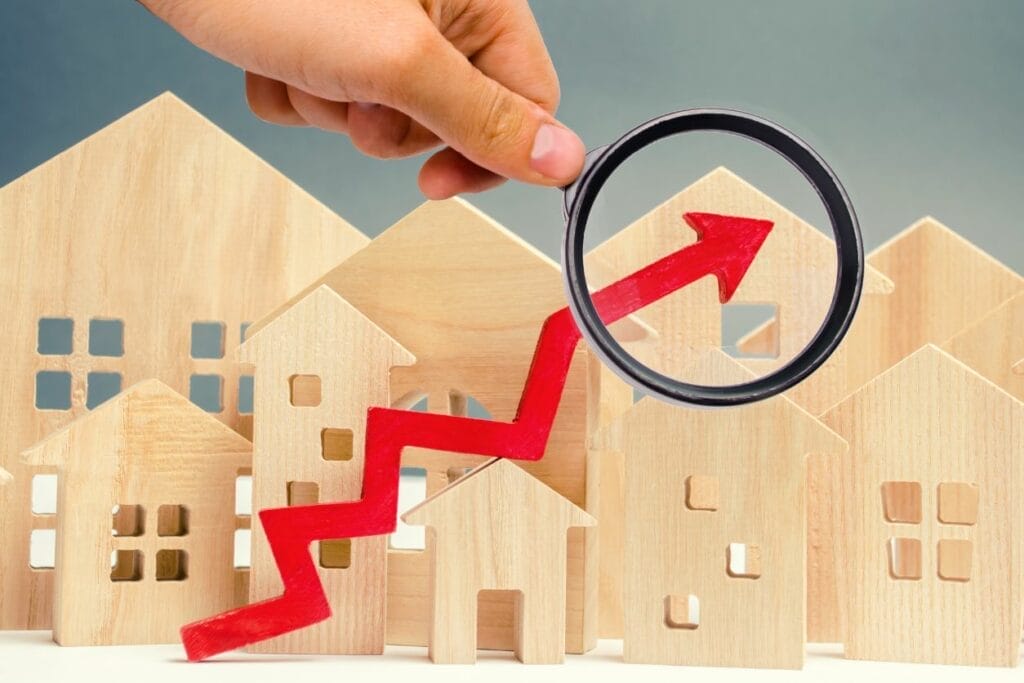
Higher interest rates directly impact on commercial properties by increasing borrowing costs and reducing demand from developers and investors. The commercial real estate transaction market has been significantly hindered due to the rise in interest rates over the past year. This situation has led to a transition from a seller’s to a buyer’s market.
As interest rates continue to rise, the construction and development of new properties may decline due to developers’ reluctance to take on additional financial burdens and project risks. With demand for commercial properties decreasing and property values potentially decreasing, investors must adapt to these market shifts and identify opportunities amidst the challenges.
Effects on Property Values
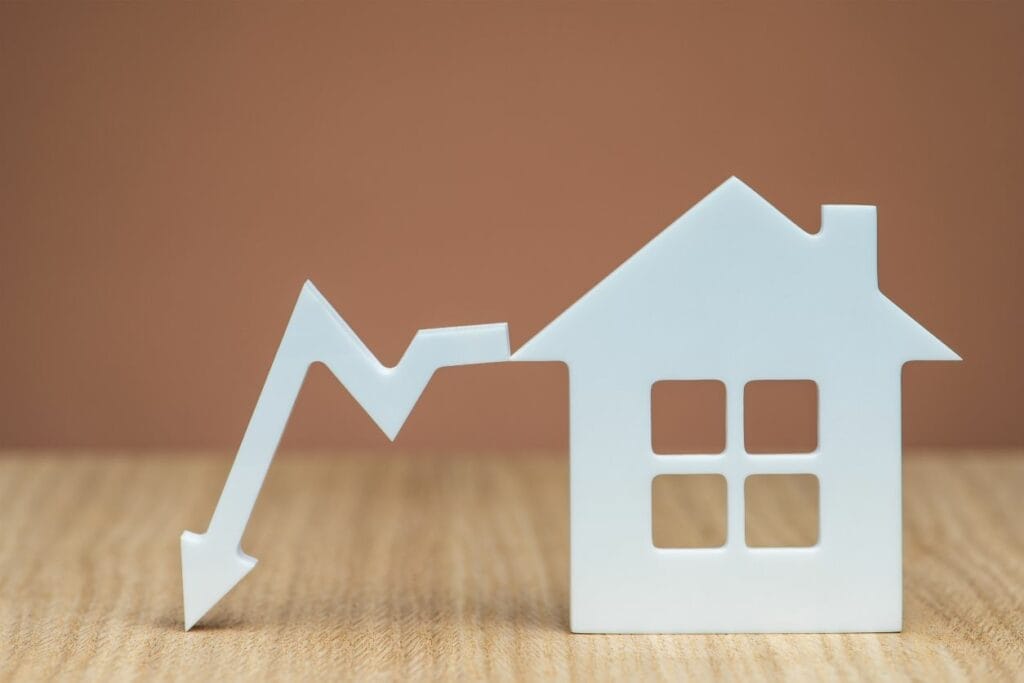
Rising interest rates cause a decrease in demand for commercial properties, leading to higher vacancy rates and potentially reduced property values. As interest rates rise, borrowing costs increase, impacting cash flow and financial performance of commercial real estate investments. Building valuations are decreasing across commercial sectors because of this situation.
Currently, the 10-year Treasury yield, which typically corresponds to fixed-rate loan pricing, is approximately 3.9%. Investors must know the relationship between interest rates and property values to make informed decisions and protect their commercial real estate investments.
Market Shifts
The shift from a seller’s market to a buyer’s market, as a result of rising interest rates, significantly impacts the supply and demand dynamics in the commercial property market. Higher interest rates cause a decrease in demand as businesses may be less inclined or able to invest in real estate, and developers may become reluctant to finance new construction projects due to the increased cost of borrowing.
As interest rates continue to rise, investors must stay informed about market shifts and adapt their strategies accordingly. By understanding the impact of rising interest rates on demand for commercial properties and the supply of new developments, investors will make informed decisions and capitalize on opportunities in the market.
Assessing the Broader Economic Implications
The broader economic implications of rising interest rates include the Federal Reserve’s response to inflation and the potential impact on rental rates and demand for commercial properties. In cases of elevated inflation, the Federal Reserve generally increases interest rates to moderate the economy and reduce inflationary pressures.
Understanding the relationship between interest rates and inflation is essential for making informed financial decisions. Awareness of the current interest rates helps determine the cost of borrowing and adjust financial plans accordingly, while staying current on market trends helps identify investment opportunities and potential risks.
Inflation and the Federal Reserve
Interest rates and inflation have a historical relationship, with the Federal Reserve often raising interest rates to manage inflation when it is high. The Federal Reserve influences inflation primarily through its policy tools, such as:
- adjusting interest rates
- conducting open market operations
- setting reserve requirements
- providing forward guidance
These tools are used to control the money supply and influence borrowing costs, which in turn can impact inflation rates.
When inflation is too high, the Federal Reserve typically raises interest rates to control it, while when inflation is low, the Federal Reserve may lower interest rates to stimulate economic activity and increase inflationary pressure.
The Federal Reserve’s position on interest rates is that they will continue to increase until inflation returns to the desired annual 2% target. By understanding the Federal Reserve’s approach to controlling inflation and the impact of interest rates on the economy, investors can make informed decisions about their commercial real estate investments.
Rental Rates and Demand
Rising interest rates impact residential rent rates more than commercial rent rates. An increase in interest rates discourages demand for buying homes, leading to more people choosing or being forced to rent. The increase in demand for rental properties results in higher residential rent rates.
In contrast, the effect of increased interest rates on occupancy rates in commercial properties leads to higher vacancy rates and potentially reduced property values. Understanding the correlation between rising interest rates and rental rates and its impact on the demand for commercial properties enables investors to make informed decisions about their commercial real estate investments.
Opportunities Amidst Rising Interest Rates

Despite the challenges presented by rising interest rates, there are opportunities for investors willing to adapt and seize new possibilities. Capitalizing on distressed situations and diversifying asset classes helps reduce risk and grasp opportunities from market changes. Some investors are attempting to take advantage of the chance to acquire assets at reduced valuations.
Keeping abreast of market changes and adjusting investment strategies accordingly allows investors to:
- Spot opportunities in the commercial real estate market amidst rising interest rates
- Safeguard their investments
- Sustain robust financial performance in a higher interest rate environment.
Capitalizing on Distressed Situations
Distressed situations in real estate investment refer to undervalued properties or financial distress. Investors leverage their position to secure more favorable sales prices from sellers looking to divest their holdings in the near future. Communication between lenders and borrowers is critical in managing these distressed situations.
There are various strategies for identifying distressed properties in a rising interest rate environment, such as searching for properties with a listing status indicating distress or monitoring foreclosure listings and auctions. Capitalizing on distressed situations enables investors to acquire undervalued properties and potentially yield higher investment returns.
Diversifying Asset Classes
Diversifying asset classes provides the benefit of reducing vulnerability and mitigating risk when responding to rising interest rates. Allocating investments across different asset classes helps to lessen the effects of rising interest rates on an individual’s portfolio. This diversification strategy enables investors to benefit from the performance of various asset classes and helps to balance the overall risk exposure.
Some key benefits of diversifying asset classes include:
- Reducing the impact of market volatility on the portfolio
- Enhancing potential returns by capturing gains in different asset classes
- Spreading risk across different sectors and industries
- Providing a hedge against inflation
By diversifying asset classes, investors create a well-rounded portfolio better positioned to weather changes in interest rates and market conditions.
Equity sectors, short- and medium-term bonds, and alternative asset classes are believed to be less susceptible to increasing interest rates. Diversifying asset classes as a response to rising interest rates aids investors in protecting their investments and sustaining a robust financial performance.
Managing Risk and Uncertainty in a Higher Interest Rate Environment

Managing risk and uncertainty in a higher interest rate environment involves assessing debt service and financial performance, staying informed, and adapting to market changes. Property owners with mortgage maturities face a challenging situation, as they need to understand how higher interest rates may mean that operating cash flow fails to meet the stricter underwriting standards of lenders.
Investors reduce risks associated with a higher interest rate environment by:
- Conducting stress tests on potential deals
- Implementing interest rate collars
- Utilizing forward rate agreements (FRAs)
- Monitoring market conditions
- Diversifying the portfolio
- Maintaining a conservative approach to debt financing
- Working closely with lenders and financial advisors.
Assessing Debt Service and Financial Performance
Debt service in relation to commercial real estate is indicative of the cash flow available to pay the current debt obligations of a property. The debt service coverage ratio (DSCR) evaluates the property’s annual net operating income against its annual debt payments and is employed by lenders to gauge its capacity to generate sufficient income to cover its debt obligations.
Higher interest rates lead to higher borrowing costs, resulting in a corresponding rise in debt service payments, which may affect the cash flow and financial performance of commercial real estate investments. Evaluating debt service and financial performance aids investors in identifying potential risks and protecting their commercial real estate investments.
Staying Informed and Adapting to Market Changes
Staying informed about interest rate changes and market trends is essential for making informed financial decisions. By understanding the current interest rates, investors determine the cost of borrowing and adjust their financial plans accordingly. The interest rate impact on these decisions is significant, as it influences the overall cost of investments and loans.
Staying up to date on market trends helps identify investment opportunities and potential risks, enabling better decision-making and risk management. Key economic indicators to monitor when assessing changes in interest rates include:
- Leading indicators
- Long-term interest rates
- GDP growth
- Inflation
- Unemployment rate
Staying abreast of market changes and adapting helps investors shield their commercial real estate investments and sustain robust financial performance in a higher interest rate environment.
Summary
In conclusion, the impact of rising interest rates on commercial real estate is varied, affecting property values, market shifts, and broader economic implications. By adapting to the rising interest rate environment, capitalizing on distressed situations, diversifying asset classes, and managing risk and uncertainty, investors protect their investments and thrive in this challenging financial landscape. Stay informed, stay adaptable, and seize the opportunities that arise amidst the challenges of rising interest rates.
Frequently Asked Questions
How does the Fed rate hike affect commercial real estate?
A Fed rate hike can increase borrowing costs, reducing demand for commercial real estate as businesses face higher expenses.
What happens to commercial real estate during inflation?
Inflation often positively affects commercial real estate, driving up the value and overall performance of the asset as prices rise. Commercial real estate is a stable long-term investment, even during times of rising inflation.
Is real estate a good investment with rising interest rates?
Real estate is a smart investment option when interest rates are on the rise since it offers the potential to generate profits from rental properties and capitalize on increased demand for rentals.
Are commercial interest rates rising?
Commercial interest rates have been rising significantly, with credit spreads widening and mortgage rates doubling in the last year from mid-3% to mid-6%. The outlook for commercial real estate has become clouded due to increasing interest rates and recessionary fears.
What strategies can investors employ to capitalize on distressed situations in a higher interest rate environment?
Investors can capitalize on distressed situations in a higher interest rate environment by leveraging their position to secure more favorable sales prices and monitoring foreclosure listings, auctions, and properties with a listing status indicating distress.
About The Author

Jesse Shemesh
Disclaimer
Please note that Point Acquisitions is not a tax expert or tax advisor. The information on our blogs and pages is for general informational purposes only and should not be relied upon as legal, tax, or accounting advice. Any information provided does not constitute professional advice or create an attorney-client or any other professional relationship. We recommend that you consult with your tax advisor or seek professional advice before making any decisions based on the information provided on our blogs and pages. Point Acquisitions is not responsible for any actions taken based on the information provided on our blogs and pages.

1031 Exchange Capital Gains Tax Deferral
According to a 2021 report by the National Real Estate Exchange Services (RES), over 240,000 1031 exchange transactions were completed in the United States, totaling $100 billion. This impressive figure underscores the role of 1031 exchanges in the real estate…
Read More
1031 Exchange Benefits
As of Q4 2023, the national vacancy rate for all commercial property types in the United States sat at 9.2%, according to CBRE’s latest insights and research. This represents a slight decrease compared to the previous quarter and suggests a…
Read More
1031 Exchange Legal Considerations: A Must-Read Guide
You’re in the right place if you’re considering a 1031 exchange for your commercial real estate investments. Whether you’re a seasoned investor or just dipping your toes into the market, understanding the legal landscape of 1031 exchanges is key to…
Read More